
How to write a garment order sheet that avoids mistakes
A simple order-sheet checklist for job work: style details, size ratio, colours, measurements, trims and packing — with an example layout.
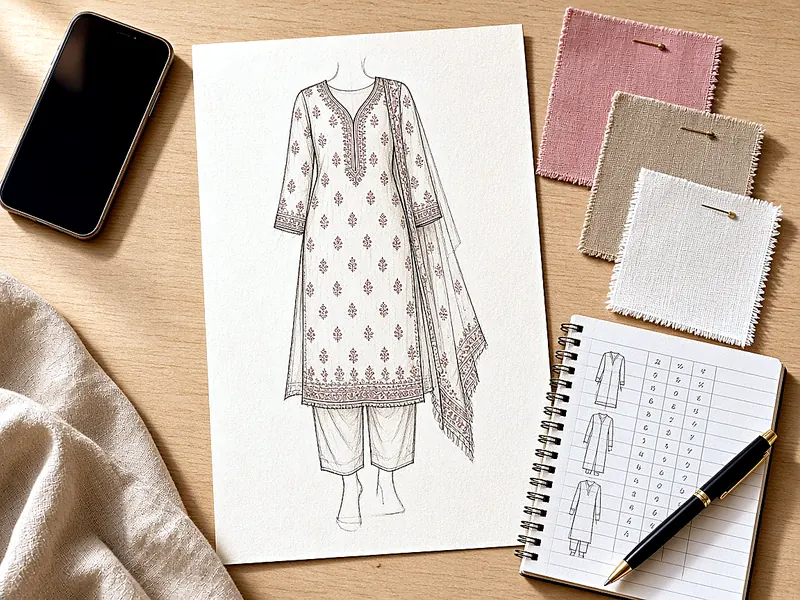
Most production mistakes in job work start before the fabric is cut: a size ratio that was not written down, a colour combination remembered differently, or a packing instruction given on a phone call. A clear order sheet prevents almost all of them.
What to put on the order sheet
| Section | What to include |
|---|---|
| Style | Style name or number, a photo or sketch, and the reference sample if you have one. |
| Fabric | Which fabric is for the top and which for the bottom, and the quantity you are sending. |
| Sizes and ratio | Sizes needed (for example S–XXL, or 4–12 years for kids) and how many pieces of each. |
| Colours | Each colourway and the quantity per colour. |
| Measurements | Your size chart, or "as per sample". |
| Trims | Buttons, laces, elastic, drawstrings — and who supplies them. |
| Packing | Folding style, poly bag, tag, poster/insert, pieces per carton. |
| Delivery | Required date and delivery address. |
Verbal orders are fine — if they are written back
Many buyers brief over the phone. That works when the manufacturer writes the order sheet and sends it back for confirmation before cutting. At Sarah Enterprise we do exactly that, on WhatsApp or email, so both sides agree on sizes, colours and packing.
Keep a copy for delivery day
When goods are delivered, compare the delivery note with your order sheet: style, sizes and quantities. Any difference is easiest to resolve on the day of delivery.
Ready to send a design? Read how to order or contact us.